Stink Bugs in Brooklyn: Why Bay Ridge, Dyker Heights, and Bensonhurst Get Hit Every Fall
Stink bugs invade south-facing brownstones and detached homes in Bay Ridge, Dyker Heights, and Bensonhurst every fall. Learn why these neighborhoods are hardest hit and why exclusion before October is your only real defense.
Stink Bugs in Southwest Brooklyn: A Fall Invasion
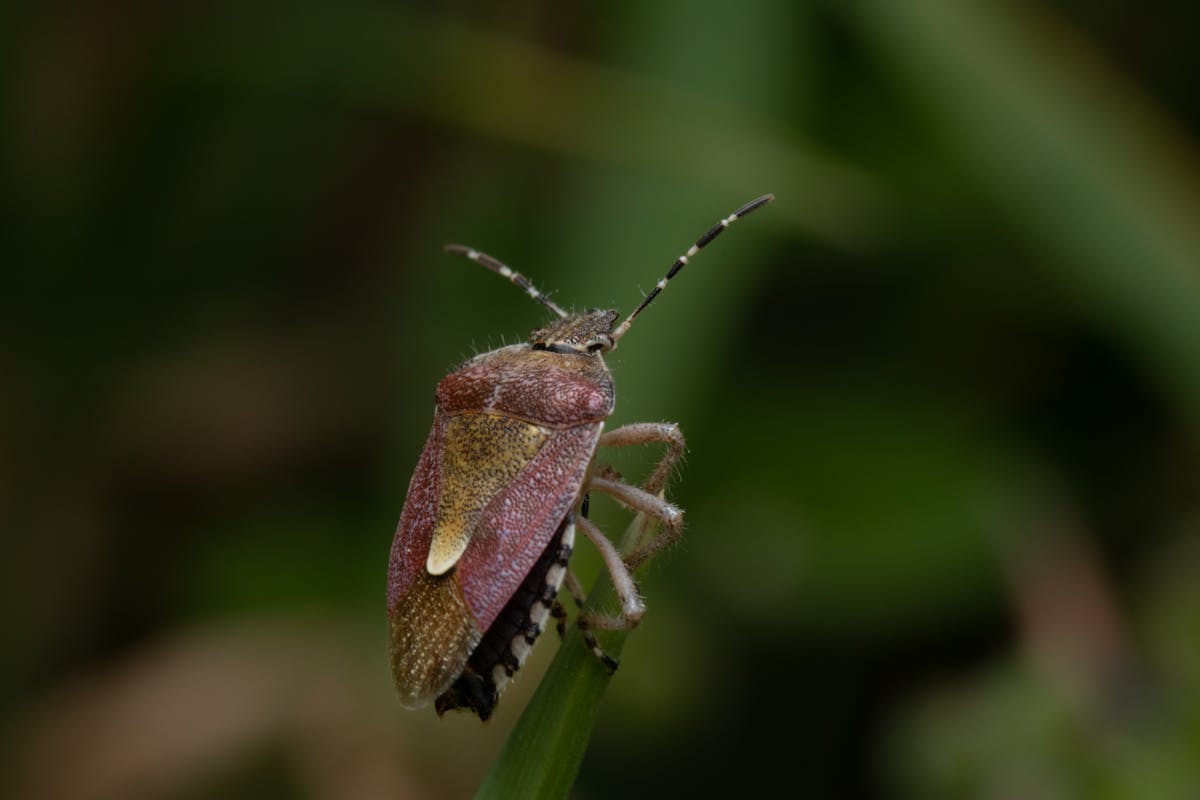
Every September and October, residents of Bay Ridge, Dyker Heights, and Bensonhurst start noticing the same thing: brown, shield-shaped insects gathering on sun-warmed exterior walls, slipping through window frames, and clustering behind curtains and blinds. The brown marmorated stink bug (Halyomorpha halys) has become one of the most reliable — and frustrating — fall visitors in southwest Brooklyn, and the architecture and geography of these neighborhoods create conditions that are unusually hospitable for them.
Understanding why these three neighborhoods bear a disproportionate share of Brooklyn's stink bug pressure, and what you can do about it before October arrives, can save you a season of unpleasant surprises.
Why Southwest Brooklyn Gets Hit Hardest
The brown marmorated stink bug is a cold-averse insect that begins searching for overwintering sites in late summer when temperatures start dropping at night. They are drawn to warmth, light, and certain structural features that signal a comfortable winter shelter. Bay Ridge, Dyker Heights, and Bensonhurst have all three in abundance.
South-facing exposure along the Staten Island ferry corridor: The western edge of Brooklyn — from Shore Road in Bay Ridge down through Dyker Heights toward Bensonhurst — faces southwest toward New York Harbor and the Staten Island waterfront. Homes on this corridor receive direct afternoon sun for hours each day, and their sun-warmed brick and stucco facades become beacon attractants for stink bugs searching for heat in the early fall. A south-facing brownstone on Colonial Road in Bay Ridge or a detached brick home on 14th Avenue in Dyker Heights can accumulate dozens of stink bugs on a warm October afternoon.
Detached and semi-detached homes with more exposed surface area: Unlike the densely attached row houses of North Brooklyn, Bay Ridge and Dyker Heights have a higher proportion of detached and semi-detached single-family homes, two-families, and older apartment buildings with substantial exposed exteriors. More exterior wall surface area means more potential entry points and more thermal mass that absorbs and radiates heat — exactly what stink bugs seek.
Proximity to greenery and gardens: Dyker Heights is famous for its elaborate Christmas light displays and its generous yards with mature trees, ornamental shrubs, and vegetable gardens. Stink bugs are agricultural pests that feed on fruit, vegetables, and ornamental plants throughout summer. The abundance of host plants in these neighborhoods supports large local populations that then turn toward homes when fall arrives.
Older construction with gaps: Many homes in Bay Ridge and Bensonhurst date from the 1920s through 1950s. Decades of settling, weathering, and deferred maintenance have created the exact kinds of gaps — around window frames, under siding, at soffit joints, around utility penetrations — through which stink bugs enter to overwinter in wall voids and attic spaces.
The Problem With Stink Bugs Inside Your Home
Stink bugs are harmless to humans and do not bite, sting, transmit disease, or damage building structures. Their name comes from the defensive chemical they release when disturbed or crushed — a pungent, cilantro-like odor that most people find deeply unpleasant. The real problem with stink bugs is their sheer numbers and persistence.
Once stink bugs find their way into your wall voids and attic, they overwinter in aggregations that can number in the hundreds. They become active on warm winter days and may wander into living areas — appearing on window sills, behind picture frames, and in light fixtures. Attempting to vacuum them up or kill them releases the odor, and discovering that your walls contain an active infestation is not a situation anyone wants to deal with in January.
Exclusion Before October: The Only Real Solution
Chemical treatments for stink bugs are largely ineffective once they are inside wall voids and structural spaces. Spraying exterior surfaces with residual insecticide can reduce the number that successfully enter, but the only truly reliable approach is exclusion — physically sealing the pathways through which stink bugs enter your home before they arrive.
Window and door frames: Every gap around a window frame — no matter how small it looks — is a potential stink bug highway. Late summer is the time to inspect and re-caulk any gaps between window frames and the surrounding masonry or wood siding. Pay particular attention to older double-hung windows that have settled away from their frames.
Roof-soffit junctions: The joint where the soffit meets the exterior wall is a common entry point on detached homes in Bay Ridge and Dyker Heights. Check that soffit vents are covered with fine-mesh insect screening and that the soffit panels themselves are tight-fitting and undamaged.
Utility penetrations: Any hole drilled for a cable line, HVAC pipe, or electrical conduit that was not sealed with caulk or foam is a stink bug entry point. Walk the full exterior of your home and seal every penetration you find.
Attic vents: Gable vents and ridge vents with damaged or missing screening are a primary entry point for stink bugs seeking attic space. Inspect and replace screening before September.
Professional exclusion service from Brooklyn NYC Pest Control includes a comprehensive inspection of your home's exterior, identification of all significant entry points, and professional-grade sealing using materials appropriate for your home's construction type. For homes in Bay Ridge, Dyker Heights, and Bensonhurst, we recommend scheduling exclusion work in August or early September at the latest — before stink bug populations begin their fall movement.
Once stink bugs are inside your walls, options are limited. Exclusion is not just the most effective approach — it is the only approach that consistently works. Don't wait until October when they're already clustered on your facade. Call Brooklyn NYC Pest Control at (646) 862-7935 to schedule a pre-fall exclusion inspection.