Stink Bugs in Brooklyn: Fall Invasions in Brownstones and Apartment Buildings
Brown marmorated stink bugs invade Brooklyn homes each September, massing on south-facing walls before squeezing inside. Learn why Brooklyn brownstones are especially vulnerable and what to do.
Brooklyn's Stink Bug Problem
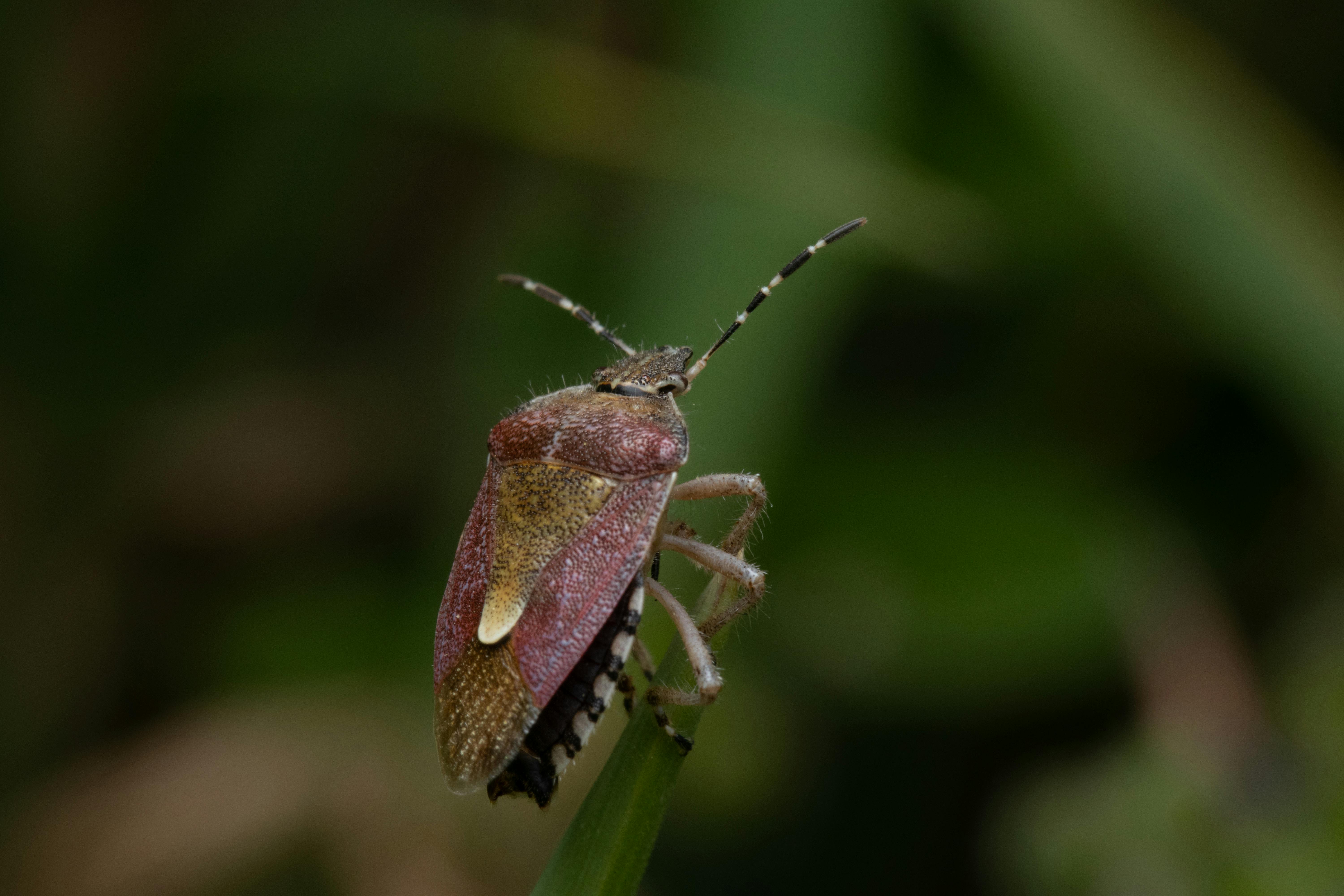
If you've been finding brown, shield-shaped insects crawling on your walls, gathering on your window frames, or appearing inside your apartment seemingly out of nowhere as fall arrives, you've encountered the brown marmorated stink bug (Halyomorpha halys) — an invasive insect from Asia that has firmly established itself throughout the New York metropolitan area, including Brooklyn.
Most people associate stink bugs with suburban homes surrounded by trees and gardens. But Brooklyn residents — particularly those living in brownstone neighborhoods like Park Slope, Prospect Heights, Crown Heights, and Bed-Stuy — experience real stink bug invasions each fall, and the older building stock of Brooklyn's rowhouse neighborhoods is particularly vulnerable. Understanding why stink bugs arrive, how they get inside, and how to stop them before the invasion begins is the key to managing this distinctly seasonal pest.
The Fall Invasion Pattern
Stink bugs are overwintering insects. Like many insects, they cannot survive the winter as active adults — instead, they seek a protected shelter and enter a dormant state called diapause, emerging in spring when temperatures warm. What makes stink bugs a household problem is their instinct to find that winter shelter inside human structures.
Beginning in September, as temperatures drop and the length of the day shortens, stink bugs begin aggregating on warm building surfaces — particularly south- and west-facing walls that absorb afternoon sun. The warmth of the building facade signals a protected, thermally stable interior nearby. From the exterior walls, stink bugs work their way into any available gap: around window frames, beneath siding, through mortar cracks, and around any mechanical or utility penetration.
Once inside the building envelope — typically in wall voids, attic spaces, or the gap between facade and interior wall — they enter dormancy. They do not breed indoors, do not cause structural damage, and do not eat anything during their time inside. In spring, they reverse course, attempting to exit back through the same gaps. This is often when Brooklyn residents notice the largest numbers indoors, as stink bugs that became disoriented by the warmth of a heated building begin emerging into living spaces throughout late winter and early spring.
Why Brooklyn Brownstones Are Particularly Vulnerable
Several characteristics of Brooklyn's brownstone neighborhoods combine to make stink bug invasions more intense than they might be in other parts of the city:
• Mature street tree canopy: The extensive mature trees along streets throughout Park Slope, Prospect Heights, and Crown Heights provide summer habitat for stink bugs right at the building perimeter. Stink bugs feed on the fruit, seeds, and plant tissue of a wide variety of trees and ornamental plants. A block lined with mature London planes and oaks directly sustains a stink bug population that will be seeking winter shelter in September.
• South-facing brownstone facades: The iconic brownstone and brick facades of Brooklyn's rowhouses absorb and radiate significant heat on sunny fall afternoons — precisely the warm surface that triggers aggregation behavior in stink bugs. A south-facing brownstone facade on a 60°F October afternoon can be 15 to 20 degrees warmer than the ambient air temperature, making it an irresistible landing spot.
• Aged masonry gaps: The many small gaps in 120-year-old brownstone masonry — particularly around window frames, at the cornice line, and in repointed areas where new mortar meets old stone — provide abundant entry points for an insect that can squeeze through a gap as small as 7mm.
• Community gardens and green spaces: Brooklyn's network of community gardens in Bed-Stuy, Crown Heights, and Clinton Hill sustain summer stink bug populations very close to residential buildings. The stink bugs feeding in a community garden on a Bed-Stuy block will be seeking winter shelter in the adjacent brownstones when September arrives.
Where Stink Bugs Enter Brooklyn Buildings
Professional inspection of Brooklyn buildings for stink bug entry points consistently reveals the same vulnerabilities:
• Old double-hung window gaps: Original double-hung windows in pre-war brownstones have rope channels and weight pockets in the frame that create gaps stink bugs can access. Even well-maintained windows of this type often have small openings at the top and bottom of the sash channel.
• Cornice and parapet junctions: The junction between the front facade and the roof overhang or parapet on pre-war Brooklyn buildings is often the most significant stink bug entry point. Gaps at the cornice line are common, difficult to see from the street or from inside the building, and often large enough to allow many insects to enter.
• Window air conditioner gaps: Extremely common in Brooklyn apartments. The foam gaskets supplied with consumer window AC units are typically inadequate, and even units installed in purpose-built sleeves often have gaps around the edges where insects can enter. A window AC unit poorly sealed for the season is an open invitation.
• Deteriorating caulk around window frames: Caulk around exterior window frames typically needs replacement every 5 to 10 years. On brownstones where caulking was last done 15 or 20 years ago, significant gaps exist at every window frame.
• Roofline gaps: The junction where a flat roof meets the parapet wall on a pre-war Brooklyn building is frequently a stink bug entry point, particularly if roofing material is aged or if the parapet cap has shifted.
The Stink Problem
Stink bugs do not bite, sting, cause structural damage, or transmit disease. They do not breed indoors. The specific problem they create is this: when disturbed, crushed, or threatened — including when you vacuum them — they release a chemical defense secretion with a pungent, persistent odor that has been variously described as cilantro, skunk, or canned vegetables. The smell can linger in a room for hours.
Large numbers inside walls on an unusually warm winter day will activate and attempt to move toward light — suddenly appearing throughout your apartment from what seems like nowhere. Their secretions can stain light-colored curtains and upholstery if they make contact with fabric.
A building with a severe stink bug problem can see dozens or even hundreds of insects emerging into living spaces over the course of a single warm winter week.
Pre-Season Prevention: Before September
The most effective time to address stink bugs is before the fall invasion begins — ideally in August, before aggregating behavior starts. The approach for Brooklyn residents and building owners includes:
• Caulk exterior window frames: Fresh, complete caulking around all exterior window frames eliminates one of the most common entry routes. Focus on the gap between the window frame and the masonry surround.
• Replace window AC gaskets: Install purpose-made foam seals around window air conditioner units, or seal around installed units with foam backer rod and caulk before the end of summer.
• Replace weatherstripping: Check and replace weatherstripping on all exterior doors. Pay attention to the top corners of door frames where weatherstripping often fails first.
• Seal masonry gaps: Inspect and seal any gaps in mortar or at the building base. For brownstone owners, inspect the cornice area — the area where the front facade meets the roof line — and seal any visible gaps.
• Professional fall perimeter treatment: A residual insecticide treatment applied by a licensed professional to the exterior of the building before peak invasion season significantly reduces the number of stink bugs that enter. Timing is important — treatment in late August or early September, before aggregation behavior peaks, is most effective.
What To Do With Stink Bugs Inside
If stink bugs are already inside your building, the approach is different:
Never crush a stink bug — the odor release is the most unpleasant outcome of the encounter. Instead, capture and remove using a jar or container, or vacuum them with a bag vacuum. If you vacuum stink bugs, remove the vacuum bag and dispose of it outside immediately afterward — the odor can permeate the bag and then your vacuum.
A light trap — a bowl of soapy water placed under a desk lamp in a darkened room at night — can capture significant numbers of stink bugs attempting to move toward light sources.
For large numbers inside wall voids, professional treatment with residual dust formulations can reduce the active population.
Frequently Asked Questions
Will stink bugs hurt my cats or dogs? No. Stink bugs are not toxic to pets. Cats and dogs may investigate them out of curiosity, but most pets learn quickly — after one or two encounters with the smell — to leave them alone.
Why are there stink bugs in my building in February? If you're finding stink bugs in the middle of winter, they entered your building in fall and have been dormant in the wall voids or attic. They've been activated by the warmth of your heated building and are attempting to move toward light. This typically intensifies during the first unseasonably warm days of late winter.
Do stink bugs reproduce inside? No. Stink bugs do not reproduce during their indoor overwintering period. The stink bugs in your building in winter are the same ones that entered in fall — they don't lay eggs or increase in number indoors.
Call Brooklyn NYC Pest Control at (646) 862-7935 to schedule a fall stink bug prevention treatment or to discuss exclusion options for your Brooklyn brownstone or apartment building. We serve all Brooklyn neighborhoods throughout the fall prevention season.